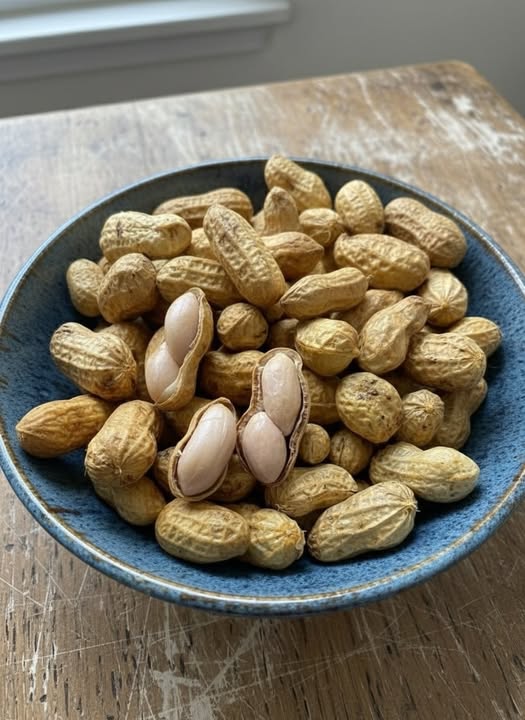
Peanuts are one of the most popular foods in the world—nutritious, affordable, and delicious in everything from snacks to desserts. In Brazil, they’re stars of beloved treats like paçoca, pé-de-moleque, cakes, and festive sweets. But beyond flavor and tradition, peanuts carry a range of surprising effects on the body—some extremely beneficial and others worth paying attention to.
If peanuts are part of your daily routine, here’s what experts say they can really do for your health.
Why Peanuts Are So Remarkable
Although often grouped with nuts, peanuts are actually legumes native to South America. And nutritionally, they’re impressive.
Peanuts are packed with:
- High-quality plant protein
- Healthy fats
- Vitamins A, B6, and E
- Minerals such as calcium, iron, and phosphorus
- Lecithin, choline, carotenoids, and essential amino acids
-
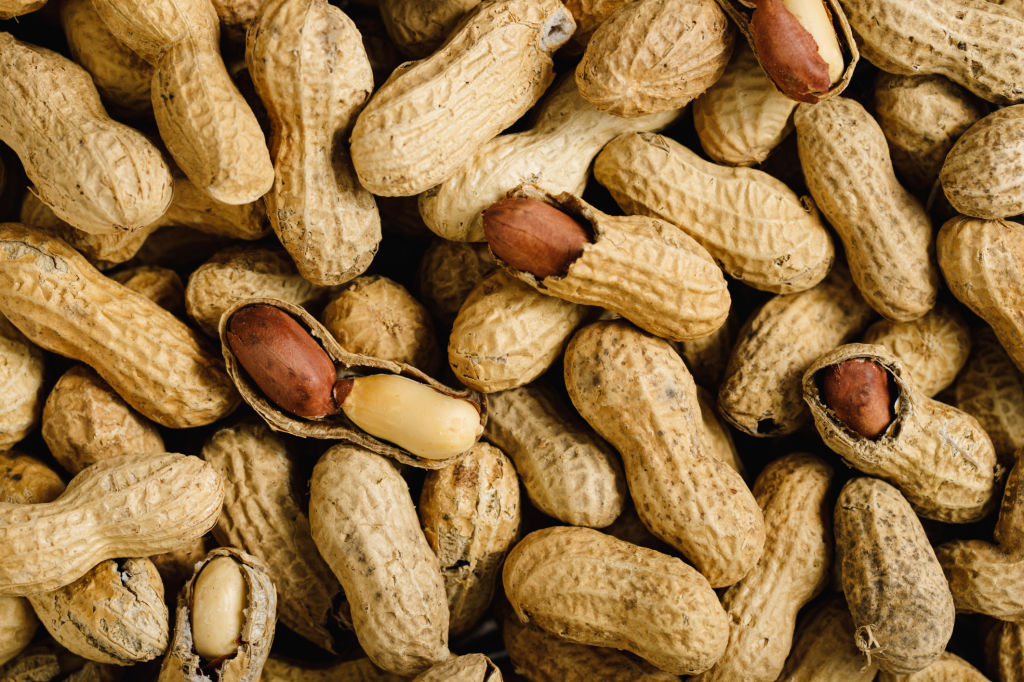
For illustrative purposes only Together, these nutrients support heart health, metabolism, brain function, hormone balance, and cellular repair. Studies also suggest that peanuts may help regulate cholesterol, improve satiety, and support overall disease prevention.
Top Health Benefits of Eating Peanuts
1. They Keep You Full for Hours
A small portion of peanuts—or even a spoonful of peanut butter—can reduce hunger and prevent overeating. The combination of protein, fiber, and healthy fats slows digestion and provides longer-lasting energy. Nutritionists often recommend peanuts as a practical snack to control appetite without missing meals.
2. They Help Balance Blood Sugar
Research shows that replacing red meat with peanuts several times per week may reduce diabetes risk by up to 21%. Peanuts slow carbohydrate absorption, helping stabilize blood sugar levels and preventing sharp spikes in insulin. A small serving in the morning may support steady energy throughout the day.
3. They May Lower the Risk of Rectal Cancer
Studies have found that women who eat peanuts at least twice a week have a 58% lower risk of rectal cancer; for men, the reduction is 27%. Experts credit this to peanut compounds such as antioxidants, folic acid, and anti-inflammatory elements.
4. They May Reduce the Risk of Gallstones
Peanuts appear to help decrease the likelihood of gallstone formation, possibly due to their positive impact on cholesterol—one of the main contributors to gallstones. While research is ongoing, early findings are promising.

For illustrative purposes only Precautions: When Peanuts Can Cause Problems
Even nutritious foods can have downsides. To enjoy peanuts safely, keep these guidelines in mind:
Avoid Eating Too Much
More than 50 g per day may lead to:
- Weight gain
- Bloating
- Digestive discomfort
Peanuts are calorie-dense, so moderation is essential.
Avoid Eating Them on an Empty Stomach
Because peanuts are naturally oily, they may cause stomach sensitivity, including:
- Cramps
- Burning sensations
- Digestive irritation
It’s best to eat them with or after meals.
Never Eat Moldy Peanuts
Moldy peanuts can contain aflatoxin, a dangerous toxin. Always check appearance and smell before eating.
Be Careful if You Use Blood Thinners
Vitamin E, found in peanuts, may interact with medications that affect clotting. Speak with your healthcare provider if you take:
- Warfarin
- Rivaroxaban
- Apixaban
- Or similar anticoagulants

For illustrative purposes only Who Should Avoid Peanuts?
1. People With Peanut Allergies
Peanut allergy can be severe and requires complete avoidance. Symptoms may include:
- Hives
- Swelling
- Breathing difficulty
- Dizziness
- Severe allergic response
Anyone with a known allergy must steer clear of all peanut products.
2. Individuals With Gout or High Uric Acid
Peanuts contain fewer purines than meat, but they may still slightly raise uric acid levels.
- Small amounts are usually safe
- Avoid during active gout flares
3. People With Sensitive Digestion
Even boiled peanuts may trigger:
- Gas
- Bloating
- Discomfort
Extra caution is recommended for:
- Children under age 2
- Older adults
- Those recovering from illness
- Anyone with recurring digestive issues
In Conclusion
Peanuts can be a flavorful, cost-effective, and nutrient-rich addition to your diet. Their benefits range from improved satiety to heart support and protective antioxidant effects. However, like all foods, they should be consumed in moderation and with awareness—especially for individuals with allergies, digestive issues, or chronic conditions.
Enjoyed sensibly, peanuts remain one of nature’s most powerful—and tastiest—superfoods.
For illustrative purposes only Disclaimer: This content is for informational purposes only and does not substitute professional medical advice. Always consult a healthcare provider about your health and dietary needs.
Enjoy this article?
If you found these insights helpful, consider sharing this post or leaving your thoughts to help others learn more about everyday foods and their real effects on our health.