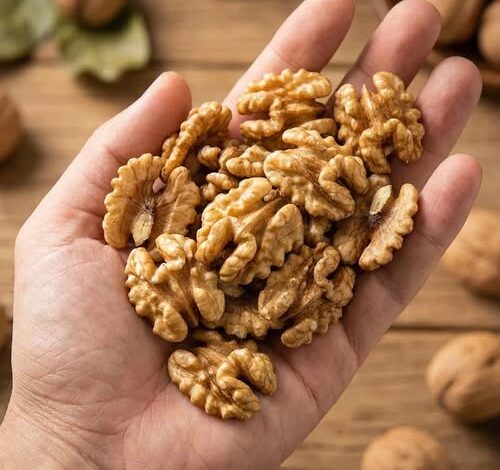
Walnuts may seem simple at first glance, but inside their textured shells is a food that has been appreciated for generations. Across cultures, walnuts have long been valued not only for their rich, earthy taste but also for the nourishment they provide. In a time when many snacks are heavily processed, walnuts remain a natural, whole-food option that offers substance and satisfaction without complication.
One of the qualities that sets walnuts apart is their natural balance of fats. They are especially known for containing plant-based omega-3 fatty acids, which are commonly associated with supporting overall heart wellness when included as part of a balanced diet. These healthy fats help make walnuts filling and satisfying, encouraging more mindful eating habits and supporting long-term dietary balance.
Walnuts also contain naturally occurring antioxidants, which play a role in helping the body manage everyday oxidative stress. These compounds are found largely in the thin skin around the nut, which is why eating walnuts in their whole form allows you to enjoy their full nutritional makeup. This combination of fats and plant compounds makes walnuts a food that supports the body in multiple ways rather than offering a single benefit.
Their connection to brain nourishment is often mentioned as well. While the walnut’s shape resembling a brain is symbolic, its nutrient profile genuinely supports cognitive function as part of a varied diet. The mix of beneficial fats, antioxidants, and minerals contributes to mental clarity and focus, making walnuts a popular choice for people looking for steady energy throughout the day.
Unlike snacks that cause quick spikes and drops in energy, walnuts provide lasting satisfaction. Their blend of fats, protein, and fiber slows digestion and helps release energy gradually. This can help reduce between-meal hunger and make it easier to avoid overly sweet or refined snack options. Even a small portion can feel surprisingly filling.
Walnuts also play a supportive role in digestive wellness. Their natural fiber and plant compounds contribute to a healthy internal balance, which is an important part of overall well-being. A balanced digestive system supports many everyday functions, reinforcing the idea that nutrition works best when it supports the body as a whole.
In addition to their fats and fiber, walnuts offer a variety of essential vitamins and minerals. They provide magnesium and phosphorus, which contribute to normal muscle function and bone support, along with smaller amounts of other nutrients involved in metabolism and daily energy use. While no single food provides everything, walnuts deliver a broad range of nutrients in one simple ingredient.
Another advantage of walnuts is how easy they are to include in everyday meals. They require little to no preparation and work well in both sweet and savory dishes. At breakfast, they can be added to oatmeal, yogurt, or cereal for extra texture and flavor. In smoothies, they add richness while boosting nutritional value.
For lunch and dinner, walnuts bring crunch and depth to salads, grain bowls, and vegetable dishes. They pair especially well with leafy greens, cheese, and simple dressings. Chopped walnuts can also be mixed into pasta dishes, sprinkled over soups, or blended into sauces, adding heartiness without overpowering other flavors.
Walnuts are also popular in baking and homemade snacks. They are commonly used in breads, muffins, and energy bars, where they contribute both taste and substance. Even on their own, raw or lightly toasted, walnuts make a convenient snack that travels well and doesn’t require refrigeration.
From a lifestyle perspective, walnuts fit naturally into balanced and mindful eating habits. Because they are nutrient-dense, smaller portions are often enough to feel satisfied. This supports moderation without feeling restrictive, making walnuts appealing to those who want to eat well while still enjoying their food.
On a broader level, walnuts highlight how small, consistent choices can support overall wellness. Adding a handful of walnuts to your routine doesn’t require major changes or strict rules. It’s a simple habit that can support steady energy, satisfaction, and nourishment over time.
In a world where health advice often feels overwhelming, walnuts offer a reminder that nutrition doesn’t have to be complicated. With their versatility, rich flavor, and natural balance of nutrients, walnuts stand out as a modest food with meaningful benefits. Making them a regular part of meals or snacks is an easy way to support everyday well-being, one bite at a time.