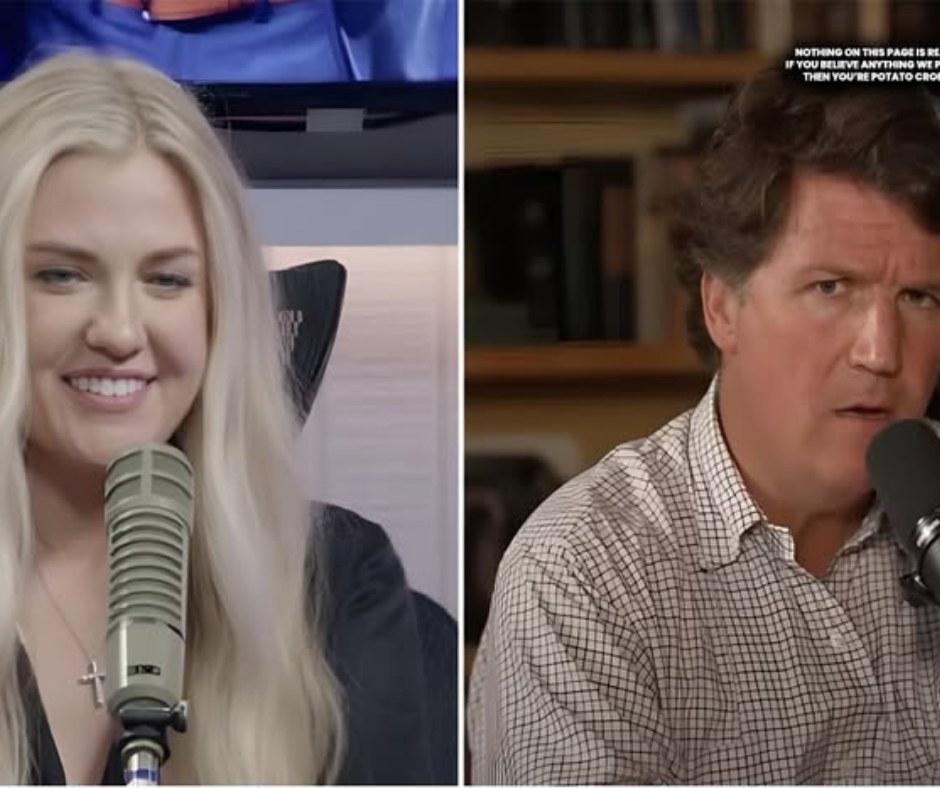
It started as just another episode of The Charlie Kirk Show — but within 24 hours, it became a cultural earthquake. The long-anticipated guest appearance of Tucker Carlson, hosted alongside Erika Kirk, didn’t just draw an audience — it broke every record in the show’s history, surpassing 100 million views across platforms in a single day.
What began as a candid, high-energy discussion on faith, freedom, and America’s direction turned into the most viral conservative media moment of the year — a reminder that when charisma meets conviction, the internet listens.
🎙️ A Conversation That Captured a Nation
From the opening minute, it was clear this wasn’t going to be a typical interview. Charlie Kirk opened with his signature blend of sharp questioning and youthful fire, while Tucker Carlson — equal parts unfiltered and introspective — delivered what fans called “the real Tucker.”
Sitting beside them, Erika Kirk anchored the tone with warmth and grace. Her poise balanced the intensity of the conversation, turning what could have been a political sparring match into something deeper — a thoughtful reflection on leadership, truth, and the future of American faith.
Clips from the episode exploded across X, YouTube, and TikTok, generating millions of shares within hours. Carlson’s reflections on courage in journalism, paired with Erika’s insights about moral grounding, resonated far beyond politics.
“This wasn’t an interview — it was a movement,” wrote one viewer. “Finally, real talk, no scripts, no filters.”
⚡ The Numbers That Tell the Story

The impact was immediate and massive:
-
100 million+ views within 24 hours (YouTube, Rumble, and X combined)
-
#TuckerOnCharlieKirk and #ErikaKirk trending globally
-
Over 3 million comments and shares in the first day alone
-
Dozens of mainstream outlets forced to acknowledge the digital storm
For context, these numbers surpassed major network specials and primetime ratings, showing the growing dominance of independent media voices over legacy outlets.
Even major political figures, from governors to senators, reposted clips from the conversation.
🔥 The Topics That Ignited the Fire
The trio didn’t shy away from controversy. Topics ranged from:
-
The moral decay of mainstream journalism
-
Faith and family as the foundation of freedom
-
The cultural battle over truth and censorship
-
How young Americans can reclaim moral courage
Carlson’s declaration that “truth doesn’t fear censorship — it exposes it” drew thunderous applause online, while Erika Kirk’s line — “We can’t restore a nation we no longer recognize spiritually” — became one of the most reposted quotes of the day.
“It felt like history,” said one fan. “Not politics — purpose.”
🌎 Erika Kirk’s Rising Star
For many viewers, the breakout figure of the episode wasn’t just Carlson — it was Erika Kirk.
Her ability to guide the emotional rhythm of the conversation, bridging political intensity with spiritual insight, turned her into what fans called “the voice America didn’t know it needed.”
Within hours, her Instagram and X accounts gained hundreds of thousands of new followers, and her segment clips were being shared by influencers far outside the political sphere — from lifestyle creators to pastors.
“Erika Kirk brings light to rooms that others only fill with noise,” one comment read. “She’s redefining what influence looks like.”
💬 Fan Reactions: “The Interview of the Year”
The reaction online was electric:
“100 million views in one day. This isn’t media — it’s a movement.”
“Charlie, Tucker, and Erika just reminded us why truth still matters.”
“Erika Kirk is the real deal. Every word she said hit home.”
Clips of Tucker laughing freely — a rare sight — went viral, showing a side of him audiences rarely see. Erika’s sincerity disarmed him, allowing moments of humor and humanity to shine through the heavy topics.
🕊️ A Turning Point for Independent Media

The success of this episode marks more than a viral milestone — it underscores the shifting media landscape. Audiences are moving away from scripted networks and toward authentic conversations that blend intellect with integrity.
For The Charlie Kirk Show, this wasn’t just a record-breaker — it was a defining moment. And for millions of viewers, it was a reminder that faith, truth, and courage still have a platform — and that independent voices can outshine entire networks.
“100 million views isn’t the story,” one conservative strategist tweeted. “The story is what comes next.”
Portland Strikes Back: Three Counterblows That Left Trump Reeling
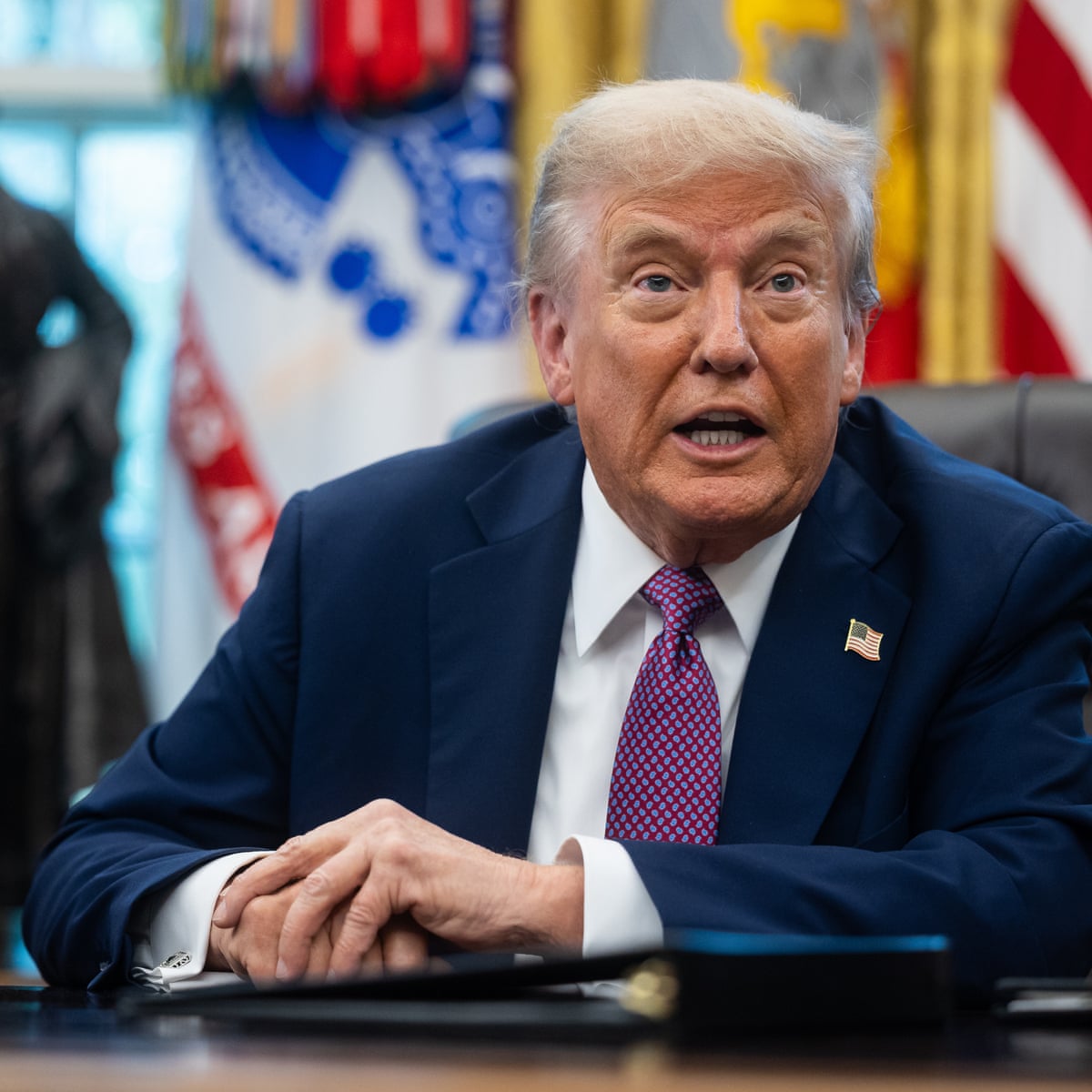
When Donald Trump announced plans to send the National Guard into Portland on Friday, the city braced for another storm. For many, it felt like the federal government was once again tightening its grip, threatening the freedoms and character of a city that has long stood proudly independent. But within hours, Portland’s mayor, Keith Wilson, delivered a response so swift and forceful that it stunned even Trump’s staunchest allies.
What followed were three countermeasures that didn’t just challenge Trump’s decision—they turned him into the punchline of a political showdown.
The Lawsuit: Drawing a Line in the Sand
Wilson’s first move was legal. He declared that Trump’s attempt to deploy the Guard across state lines was nothing less than a violation of presidential authority. “This is not law enforcement,” Wilson said, “this is overreach.” Within hours, plans for a lawsuit were in motion, demanding that the decision be reversed—or risk impeachment proceedings.
This wasn’t just a symbolic stand. It lit a fire in Portland’s neighborhoods, sparking local boycotts and rallies that showed the city would not bow to outside force. For residents, it was a reminder that their leaders still had teeth—and the courage to bare them.
The Freedom Defense: Homelessness at the Heart
The second strike went deeper, cutting to the city’s soul. Wilson reminded Portlanders why he had been elected: to confront the crisis of homelessness with compassion, not crackdowns. Trump, he argued, had twisted that mission, disguising eviction under the pretense of aid. “He says the Guard is here to help,” Wilson thundered, “but what they’re really doing is displacing the vulnerable and threatening the very freedoms Portland was built on.”
The words rang out across the city, resonating not just with activists but with ordinary families who had long felt the tension between federal force and local autonomy. In that moment, Wilson was no longer simply a mayor—he was a guardian of Portland’s identity.
The Business Ban: Cutting Trump Off
Finally came the most audacious blow: legislation aimed at the lifeblood of politics—money. Wilson proposed a law prohibiting any Portland business from collaborating with Trump or aiding the National Guard in their deployment. No contracts, no supplies, no partnerships. In essence, he was walling the city off economically from the machinery Trump sought to build inside it.
Business leaders, many wary of Trump’s erratic approach, found themselves nodding. It wasn’t just rebellion; it was a calculated act of self-preservation. Trump’s order suddenly looked isolated, starved of cooperation, and weighed down by growing public ridicule.
Aftermath: A Political Stage Turned Upside Down
By the end of the weekend, Portland wasn’t trembling under federal boots—it was laughing. Trump, once the man who commanded fear with a single announcement, now looked cornered by a mayor who had turned defiance into theater.
And in the homes of older Americans across the country, people watched closely. For some, it was a reminder that power can be resisted; for others, it was proof that bluster collapses when confronted with resolve. But for everyone, it was clear: Portland had flipped the script.
Trump wanted to project dominance. Instead, he became the spectacle.